




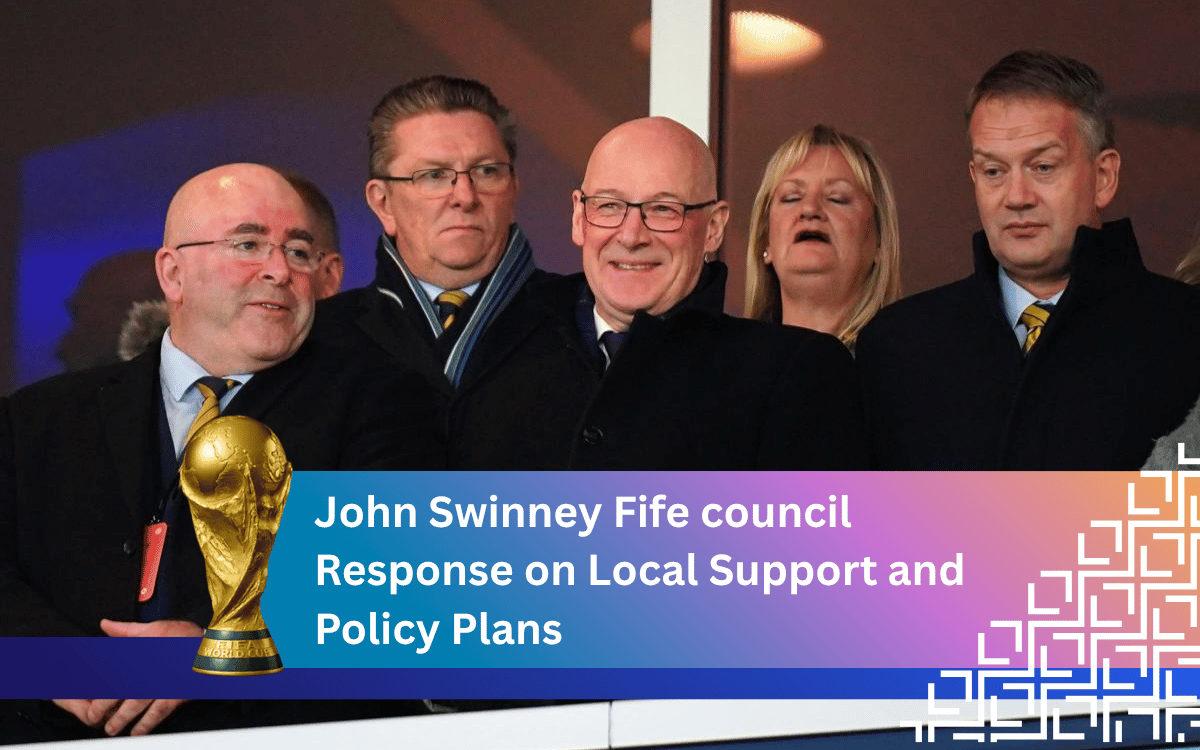
Scotland’s First Minister John Swinney Fife council engagement has come under renewed attention after it emerged he wrote to a senior Fife council official regarding local service delivery concerns. The move highlights continued scrutiny of the Scottish Government’s handling of healthcare infrastructure and public investment projects in the region, particularly around GP services and delayed developments.
The correspondence comes at a time when the SNP administration is facing sustained pressure over how effectively it is delivering essential services, especially in rural and semi-urban communities such as those across Fife.
Growing Pressure Over Local Healthcare Provision in Fife
One of the most pressing issues linked to the correspondence is the long-standing debate around GP access and healthcare infrastructure in Fife. Communities have repeatedly raised concerns about overstretched services and aging facilities.
A key example is the long-delayed replacement of GP infrastructure in areas such as Kincardine, where residents have waited years for promised upgrades. Plans for modern health facilities have been repeatedly pushed back, raising questions over funding prioritisation and delivery timelines.
Local political figures have previously criticised delays in healthcare investment, arguing that residents are still relying on outdated surgeries that no longer meet demand. These concerns have become a symbol of wider frustrations with Scotland’s healthcare system.
SNP Government Under Scrutiny for Infrastructure Delivery
The letter from John Swinney adds to ongoing scrutiny of the Scottish Government’s ability to deliver major infrastructure projects on time.
While ministers have repeatedly pledged to improve access to healthcare through new models such as walk-in GP clinics, critics argue that existing commitments have not always been delivered at the pace communities expected.
Swinney has previously outlined plans for expanded GP access, including proposals for new clinics aimed at easing the “8am rush” for appointments. These reforms are intended to improve patient access and reduce pressure on traditional surgeries, but implementation remains a key concern.
Delays in construction projects and budget prioritisation decisions have intensified political debate between the SNP and opposition parties, particularly in areas where promised developments remain incomplete.
Political Context Behind Swinney’s Letter to Fife Council
The communication with Fife council comes amid broader discussions about how responsibilities are shared between the Scottish Government and local authorities.
Fife, as one of Scotland’s largest council areas, plays a central role in delivering frontline services such as housing, education, and health coordination. Coordination between Holyrood and councils has become increasingly important as budget constraints continue to shape policy decisions.
Opposition politicians have frequently argued that local councils are being placed under pressure due to central government funding decisions. Meanwhile, SNP ministers maintain that investment is being targeted strategically to address long-term service challenges.
Healthcare Reform Remains Central to Government Agenda
Despite criticism, healthcare reform remains a central priority for the Scottish Government under John Swinney’s leadership.
Plans to introduce more accessible GP services, including extended-hours clinics and improved local access points, form part of a wider strategy to modernise primary care.
These reforms aim to reduce pressure on emergency services and improve patient experience, particularly in communities where access to appointments has been a persistent issue.
However, the effectiveness of these reforms will depend heavily on infrastructure readiness and workforce capacity—two areas that continue to face challenges across Scotland.
Wider Implications for Scottish Local Governance
The situation in Fife reflects broader national debates about service delivery, funding allocation, and governance efficiency in Scotland.
Key ongoing issues include:
- Delays in healthcare infrastructure projects
- Pressure on GP services and staffing shortages
- Tension between councils and central government funding decisions
- Public demand for faster delivery of promised reforms
As scrutiny intensifies, correspondence such as Swinney’s letter to Fife council officials underscores the increasing importance of collaboration between national and local government.