


The FIFA World Cup 2026 Iran war concerns have raised global attention, but FIFA leadership has made it clear that the tournament will proceed as scheduled. Speaking at the International Broadcast Center in Dallas, FIFA Chief Operating Officer Heimo Schirgi stressed that the World Cup’s scale and global importance make postponement unrealistic.
The tournament, set to begin on June 11, 2026, will be the largest in FIFA history, featuring 48 national teams hosted across the United States, Mexico, and Canada. According to Schirgi, while geopolitical tensions are being closely monitored, FIFA remains committed to delivering the event on time.
Heimo Schirgi: “The World Cup Is Too Big”
At the center of FIFA’s message is a clear stance: the tournament cannot simply be paused.
Schirgi explained that FIFA is actively tracking developments linked to the Iran war and broader instability in the Middle East. However, he emphasized that the World Cup’s global structure, commercial scale, and logistical preparation make postponement highly impractical.
He stated that FIFA is working closely with international partners and government bodies while evaluating the situation on a “day-by-day” basis. Despite uncertainty, the organization continues to express confidence that the tournament will proceed without interruption.
Schirgi also highlighted the unifying role of football, noting that past World Cups have successfully brought together nations even during politically tense periods.
Iran War Raises Questions Over Participation and Security
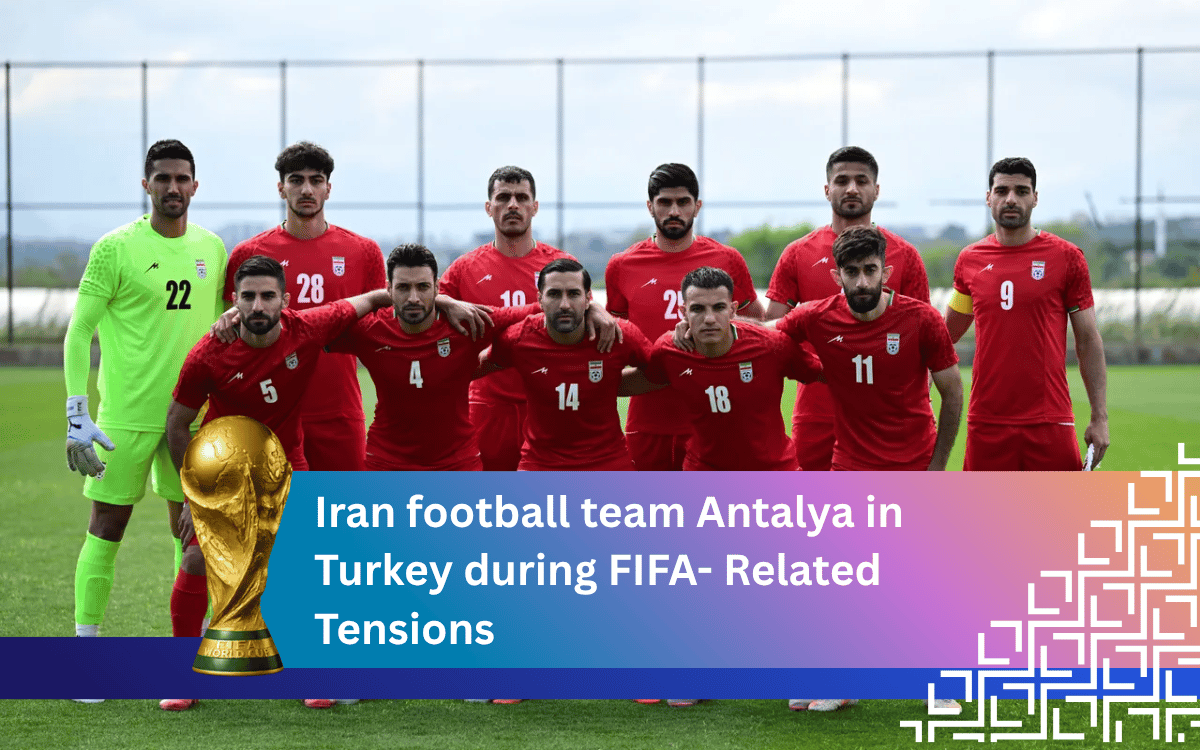
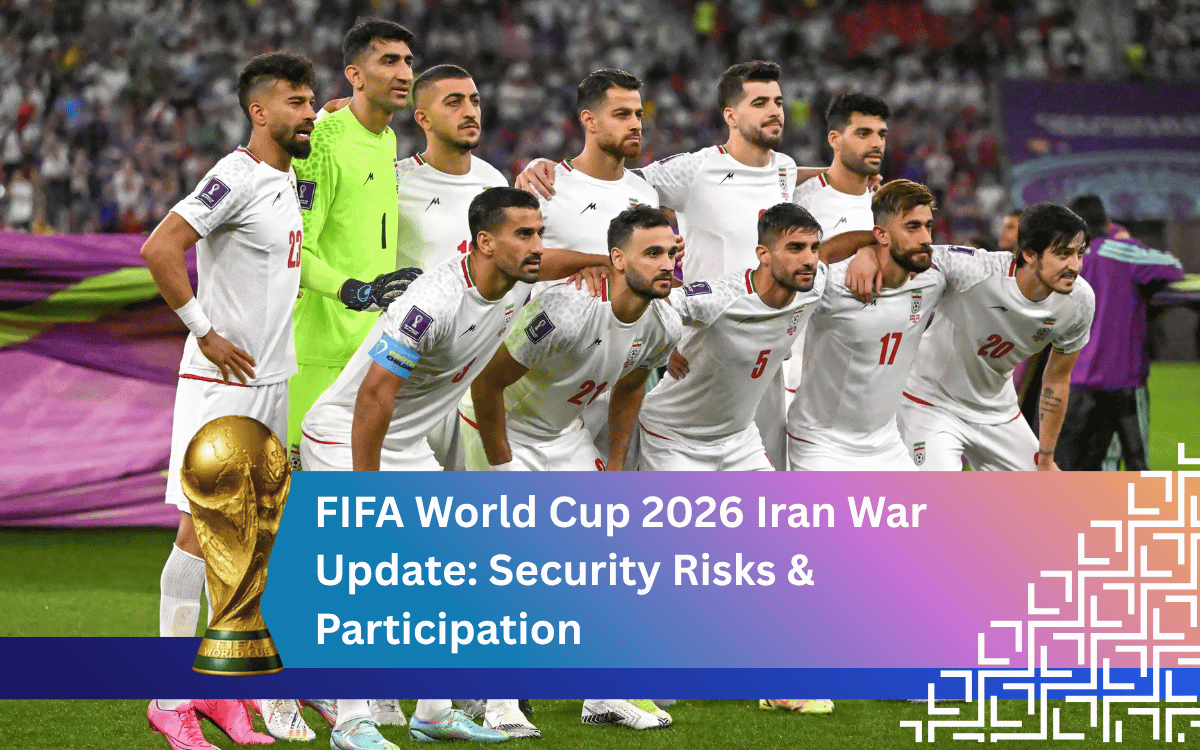
One of the most sensitive issues surrounding the tournament is Iran’s participation amid ongoing conflict involving the country. Iran has qualified for the World Cup and is expected to compete in Group G matches scheduled in Los Angeles and Seattle.
FIFA has not indicated any changes to Iran’s qualification status, but officials confirmed they are in contact with the Iranian Football Federation. Discussions remain ongoing, though no specific details have been released.
The broader concern is not only participation but also security and travel logistics for teams and fans. The United States, as a primary host nation, is coordinating with FIFA on entry requirements and safety measures for participating nations.
Despite speculation, FIFA leadership has maintained that all qualified teams should be able to compete.
Largest World Cup in History Faces Complex Global Backdrop
The 2026 edition of the tournament will mark a historic expansion:
- 48 national teams competing
- Matches hosted across 16 cities in North America
- Extended format with more knockout rounds
- Increased global broadcasting infrastructure and media coverage
This scale is one of the key reasons FIFA officials argue the tournament is structurally too large to postpone.
Experts note that the World Cup is not just a sporting event but a multi-billion-dollar global operation involving broadcasters, sponsors, travel industries, and host city investments that are planned years in advance.
Ticketing and Operational Challenges Add Pressure on FIFA
Beyond geopolitical concerns, FIFA is also facing scrutiny over operational decisions leading up to the tournament. Recent adjustments to ticketing policies have sparked debate, including the introduction of additional sales windows to accommodate demand.
Ticket prices for premium seats have also drawn criticism, with some categories reaching several thousand dollars per match. FIFA has defended its pricing strategy, stating it aims to balance demand while ensuring fair access for fans who initially missed out.
These operational issues add another layer of complexity as the organization prepares for its most ambitious tournament yet.
Global Monitoring Continues as Kickoff Approaches
FIFA officials have emphasized that monitoring of global developments will continue up until the tournament begins. While there is no indication of postponement, the organization has not ruled out adjustments if conditions significantly change.
Key focus areas include:
- Security coordination with host governments
- Travel clearance for participating nations
- Stability in conflict-affected regions
- Protection of players, officials, and fans
Despite these concerns, FIFA maintains that preparation remains on schedule across all host countries.
What This Means for World Cup 2026?
The statement from FIFA’s leadership sends a strong signal: the tournament is expected to proceed regardless of global instability. However, the situation surrounding the Iran war introduces ongoing uncertainty that could affect logistics, participation discussions, and security planning.
For now, FIFA’s position is clear—football’s biggest tournament will go ahead, and its global scale makes postponement highly unlikely.